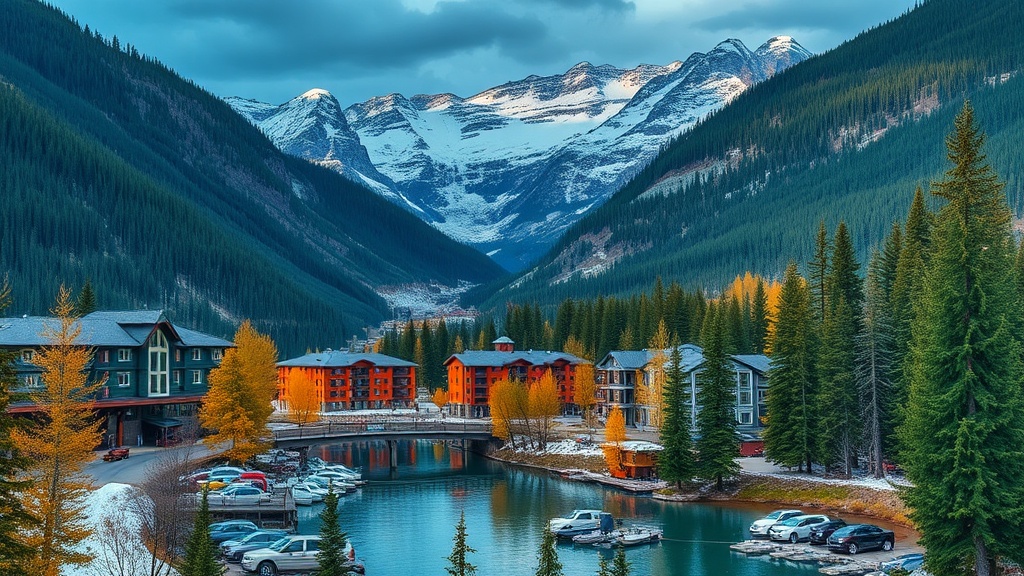
Canmore Local Guide: How Residents Actually Spend Their Time in Town and Nearby Trails

Why Most Canmore Guides Miss the Point
Most guides treat Canmore like a checklist: hike this, eat here, take a photo there. That’s fine if you’re passing through. But if you actually want to understand why people stay here—why they build routines around this place—you need a different lens.
Locals don’t chase highlights. They optimize timing, avoid crowds instinctively, and rotate between a handful of reliable spots depending on weather, season, and mood.
Section 1: Timing Is Everything (More Than Location)
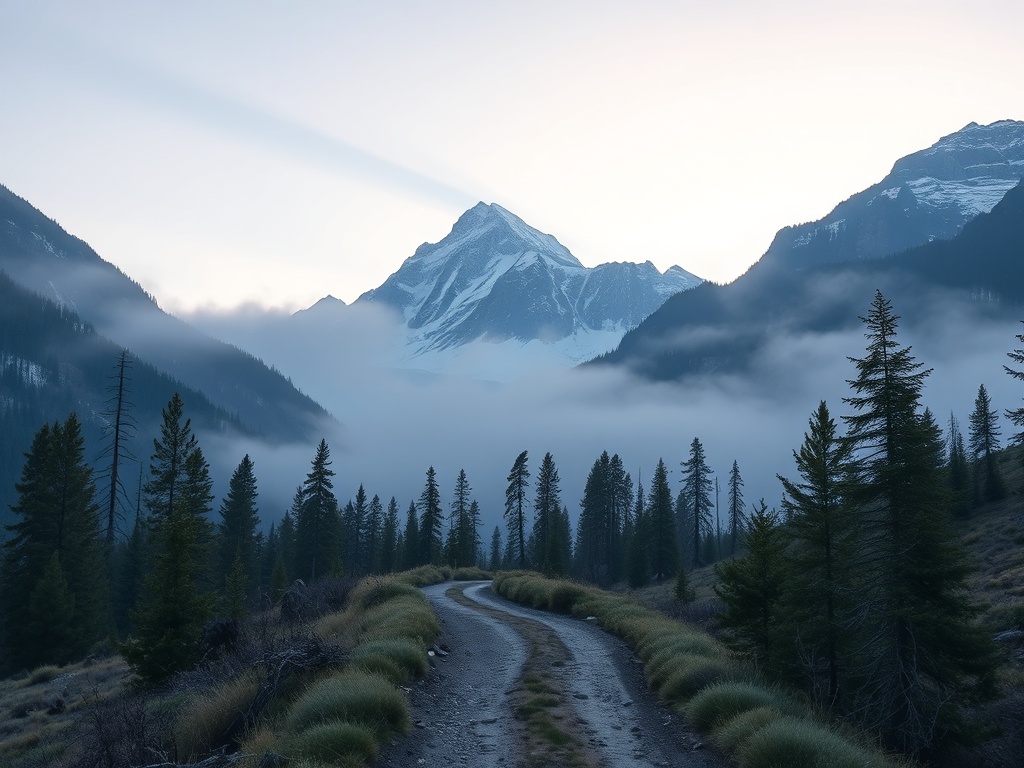
The biggest difference between a good Canmore experience and a frustrating one is timing. Not where you go—when you go.
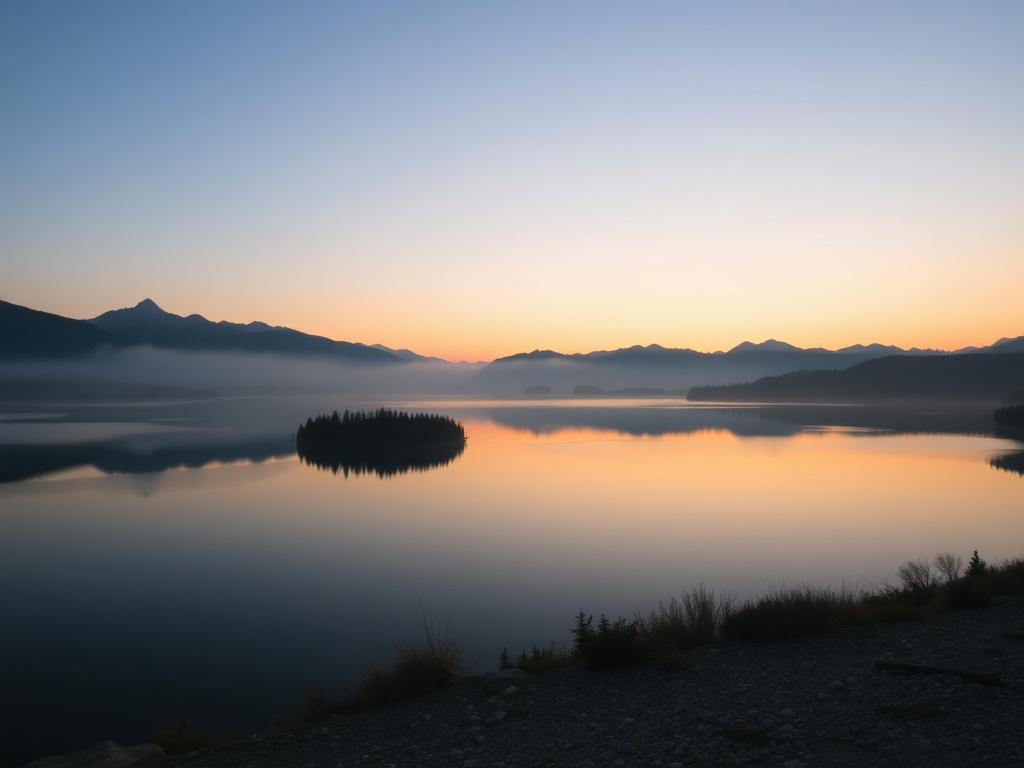
Take Quarry Lake. At 11am in summer, it’s packed. At 7:30am, it feels like a private alpine lake. Same place, completely different experience.
- Early mornings (6:30–9am): Best for hiking, photography, and wildlife sightings.
- Midday: Good for patios and town walks, not for popular trails.
- Evenings: Underrated. Light is better, crowds thin out, and everything slows down.
If you adjust nothing else, adjust your schedule.
Section 2: The Trails Locals Actually Repeat
There’s a difference between a “must-do” hike and a “repeatable” one. Locals prioritize the second category.
Here’s what keeps people coming back:
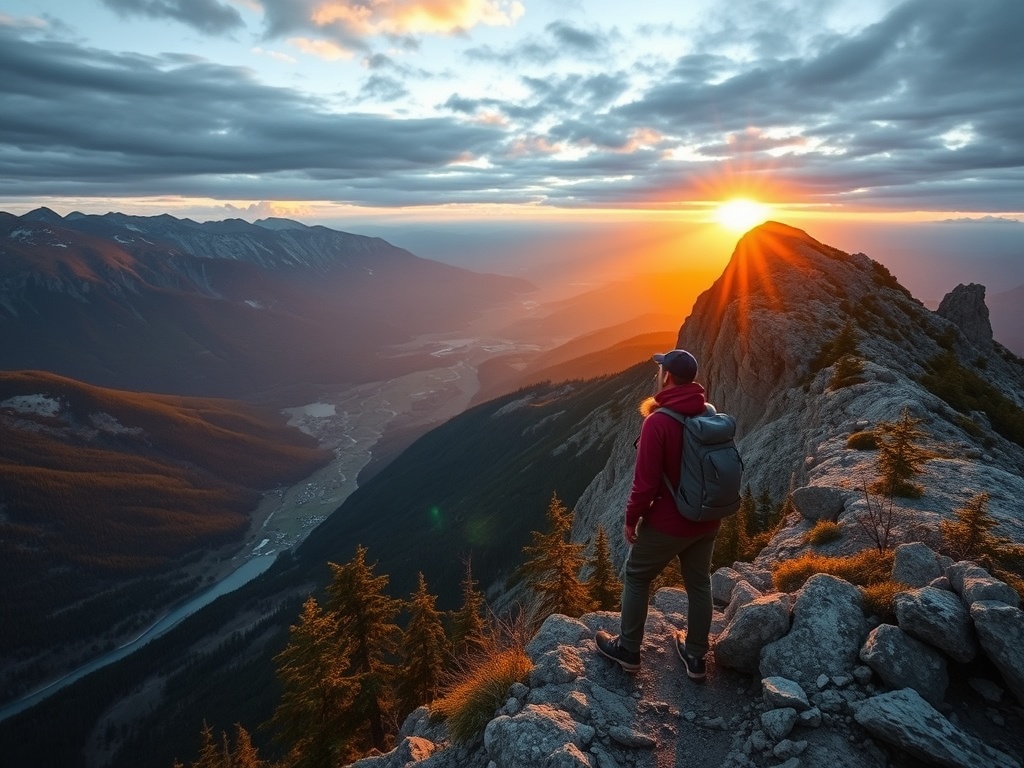
- Ha Ling Peak (strategically): Go at sunrise or shoulder season. Otherwise, it’s a highway.
- Grassi Lakes (upper trail): Short, reliable, and still satisfying even on a busy day.
- Grotto Canyon (winter): Ice walks and frozen waterfalls change the entire experience.
- Bow River pathways: Not flashy, but consistently good for runs and low-effort walks.
The key is rotation. Locals don’t burn out a trail—they cycle through options depending on conditions.
Section 3: Where Locals Actually Eat (And Why)
Tourist-heavy restaurants in Canmore aren’t bad—but locals tend to prioritize consistency over hype.
What matters here is reliability. Places where you know exactly what you’re getting, whether it’s a quick coffee or a full dinner after a long day outside.
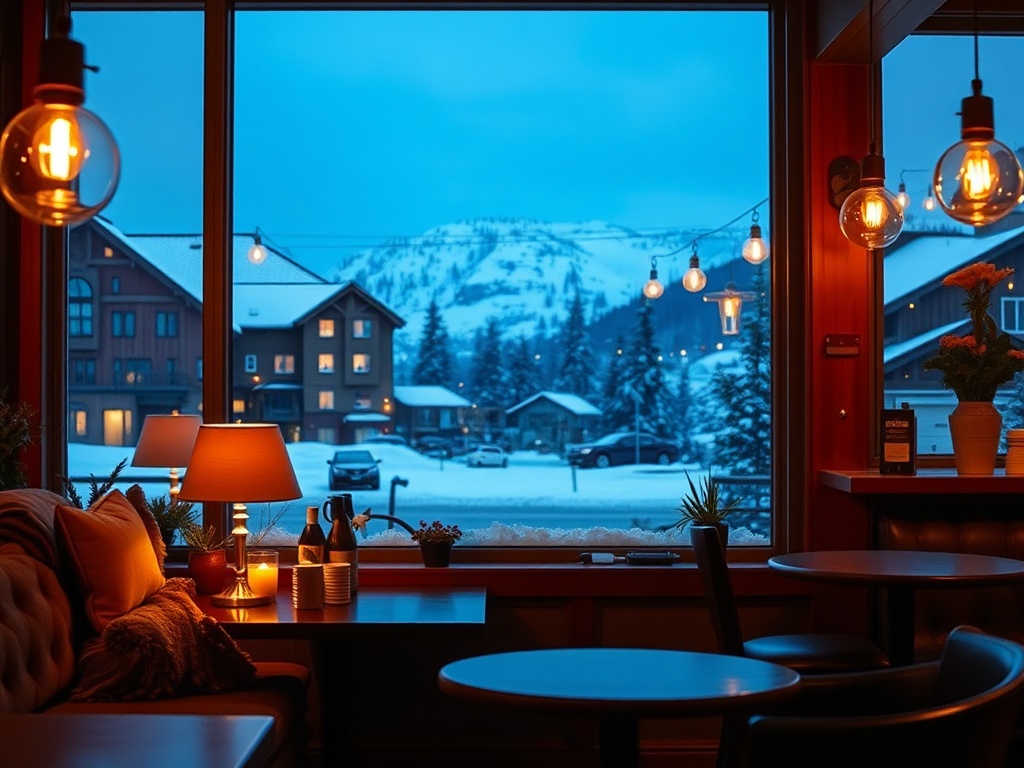
- Coffee: Spots with fast service matter more than latte art when it’s -15°C.
- Post-hike meals: Simple, filling, and quick turnaround.
- Dinner: Locals often eat earlier than visitors—less wait, better service.
If you’re waiting 90 minutes for a table, you’re doing Canmore wrong.
Section 4: How to Avoid Crowds Without Missing the Good Stuff
You don’t need secret locations. You need better strategy.
Three simple shifts make a noticeable difference:
- Go one layer deeper: Instead of the main viewpoint, walk 10–15 minutes further.
- Shift your days: Tuesday morning beats Saturday afternoon every time.
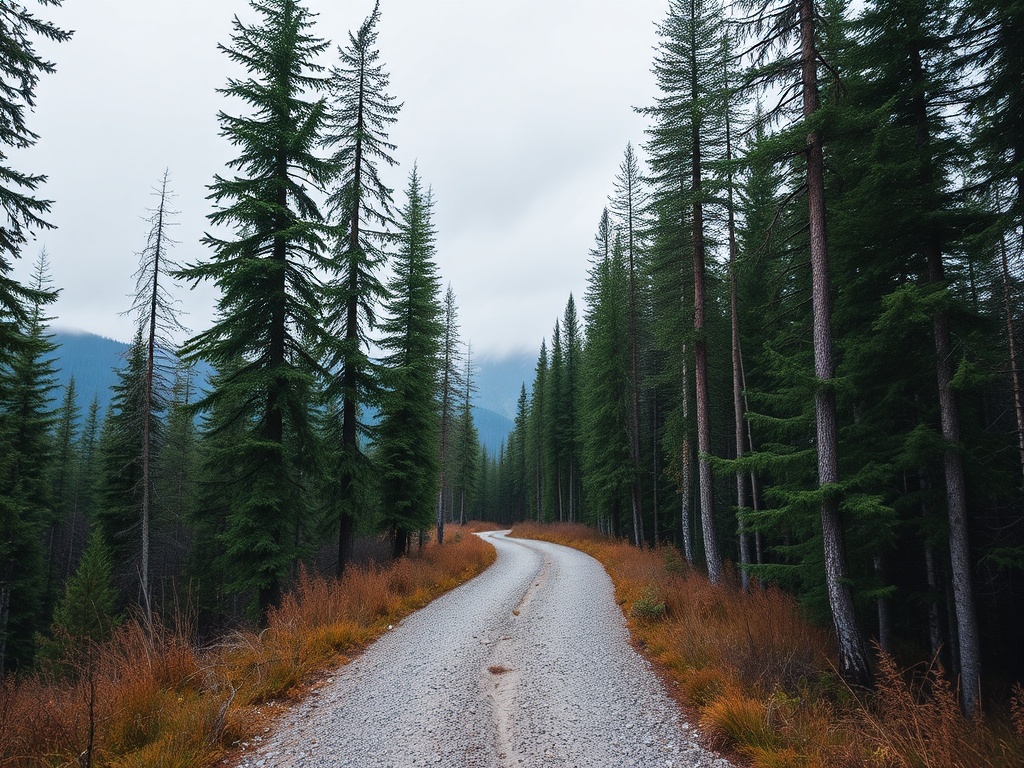
- Use weather to your advantage: Slightly overcast days scare people off—but they’re often the best conditions.
Locals don’t avoid popular spots—they just approach them differently.
Section 5: Seasonal Reality Check
Canmore changes dramatically by season, and expectations need to adjust with it.
Summer
Busy, vibrant, and sometimes overwhelming. You trade solitude for accessibility.
Fall
Short but excellent. Fewer people, cooler temperatures, and sharper light.
Winter
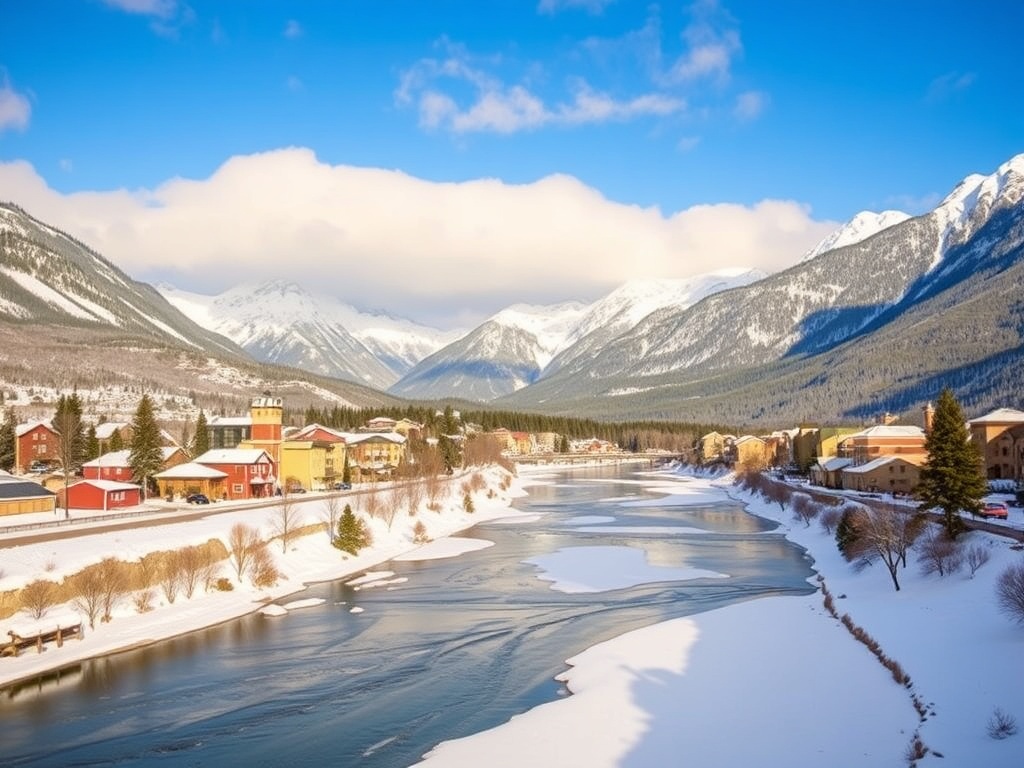
Underrated. Slower pace, fewer crowds, and entirely different activities.
Spring
Messy. Shoulder season means mud, variable weather, and fewer reliable options.
The mistake is expecting peak conditions year-round. Locals adapt instead.
Section 6: The Local Mindset (This Is What Actually Matters)
What separates locals from visitors isn’t knowledge—it’s mindset.
- They don’t try to do everything in one day.
- They leave space for weather changes.
- They repeat experiences instead of chasing new ones constantly.
That last point matters more than it sounds. Canmore rewards familiarity. The second time you do something is often better than the first.
Section 7: A Simple 2-Day Local-Style Itinerary
If you want something practical, here’s a realistic way to experience Canmore without burning out.
Day 1
- Early morning hike (before 9am)
- Late breakfast or coffee in town
- Afternoon rest or short walk
- Early dinner
Day 2
- Relaxed morning (no rush)
- Short scenic walk or lake visit
- Lunch before peak hours
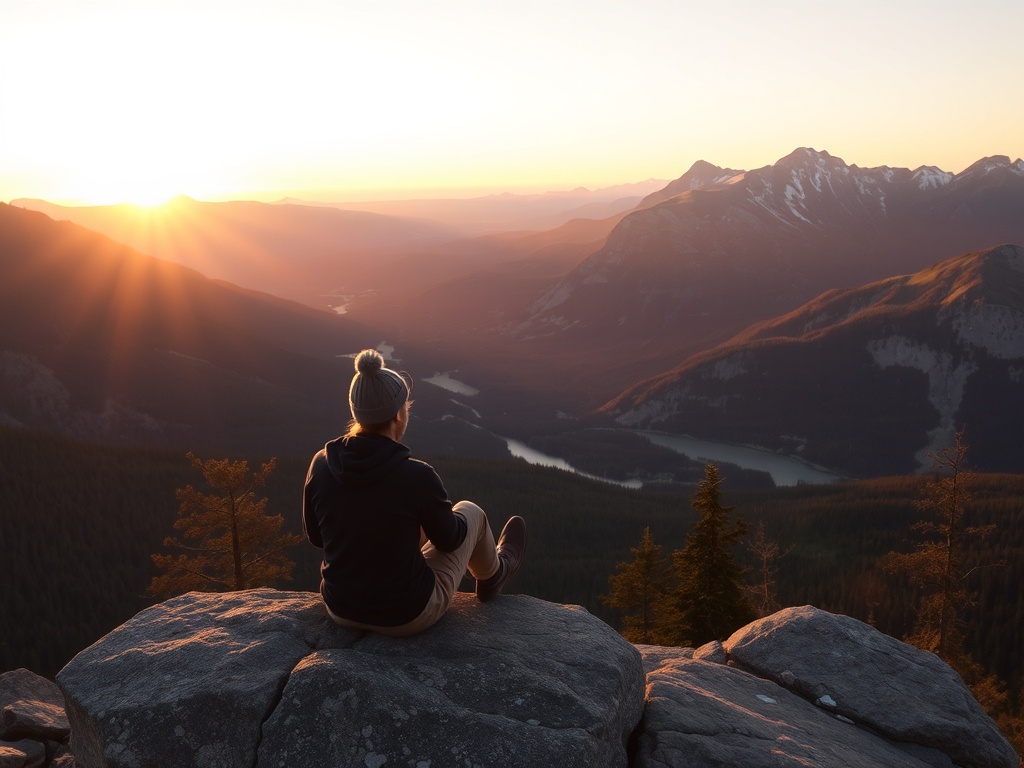
- Optional sunset viewpoint
This isn’t packed—and that’s the point.
Final Take: Slow Down or You’ll Miss It
Canmore isn’t a place that rewards rushing. The more you try to optimize every hour, the more you flatten the experience.
Give yourself time. Repeat things. Adjust your timing. That’s how locals experience it—and it’s why they keep staying.