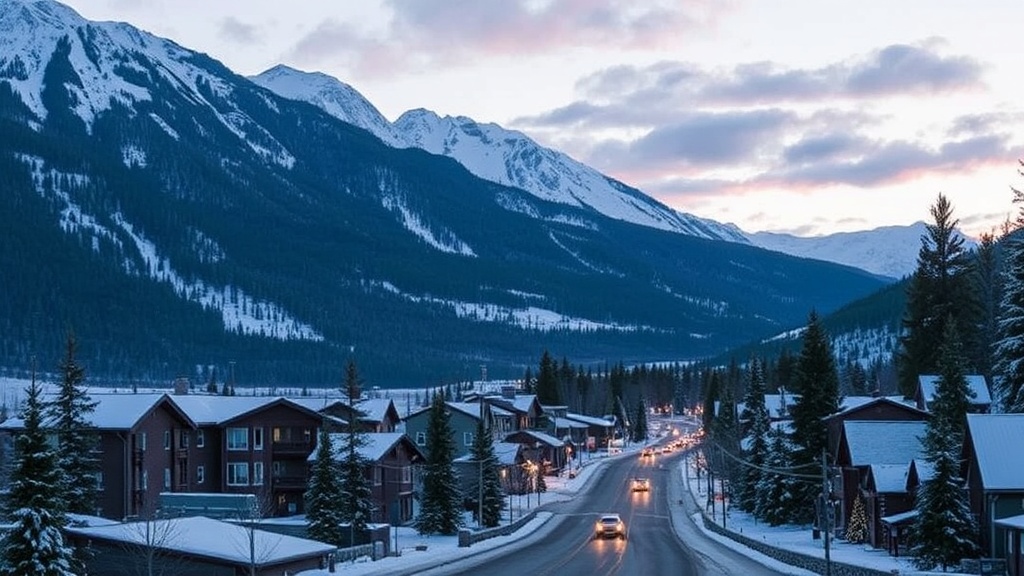
What's It Actually Like Living Year-Round in Canmore?

What surprised you most about Canmore's seasonal shifts?
Here's something that catches newcomers off-guard — Canmore experiences temperature swings of 30 degrees Celsius within a single day during shoulder season. We're not talking about Banff's tourist crowds or Jasper's remote wilderness. This is Bow Valley living, where the microclimate plays by its own rules. Whether you've just moved to a condo near Spring Creek or you're settling into a place off Benchlands Trail, understanding Canmore's unique rhythm takes more than a few weekend visits.
We've watched this town transform from a quiet mining community into one of Canada's most sought-after mountain towns — and that evolution brings daily realities residents handle constantly. The gap between vacationing here and living here? It's wider than the valley between Ha Ling Peak and the Three Sisters. This guide covers what we've learned from years embedded in this community — the practical, the unexpected, and the quietly wonderful parts of calling Canmore home.
How do locals actually get around Canmore without a car?
Public transit in Canmore isn't Calgary's CTrain — and that's honestly part of its charm. Roam Transit connects our neighbourhoods with routes that actually work for commuters, not just tourists. The Route 5C runs through the core of town every 30 minutes, linking Cougar Creek to Peaks of Grassi. Early morning workers heading to the industrial park catch the 5A before 7 AM — and yes, you'll learn the schedules by heart faster than you'd expect.
Biking isn't just recreation here — it's legitimate transportation. The Legacy Trail connects Canmore to Banff (and yes, we use it for commuting, not just Instagram photos). In winter, fat bikes with studded tires replace road bikes. You'll spot locals pedaling through snow to grab groceries at Safeway on Railway Avenue or meet friends at Grizzly Paw Brewing on Main Street. The Town of Canmore maintains active transportation paths year-round — though "maintained" means something different in January when the plows work overtime.
Walking remains underrated. Canmore's compact — most errands happen within a 15-minute radius if you live near the core. Downtown to the Nordic Centre? That's a proper walk, but doable. What surprises transplants from bigger cities isn't the distance — it's the elevation. Every direction involves hills. Your calves will develop opinions about this.
Where do Canmore residents shop for everyday needs?
We don't have big-box stores lining the Trans-Canada — and that's by design. Canmore's retail space reflects our community values. The Alberta Meat Shop on Bow Valley Trail supplies locally raised beef and bison. Valley Fresh Produce sources vegetables from farms within the province, often delivered within 24 hours of harvest. Yes, you'll pay more than at a Calgary Superstore. No, the quality isn't comparable.
For hardware and home repairs, Canmore Home Hardware on 8th Street solves most problems. The staff remembers your name and your project. Need something obscure? They'll order it without the big-box attitude. The same goes for Leon's No Frills for basic groceries — it's not glamorous, but it keeps weekly shopping affordable.
The farmers' market at Elevation Place every Wednesday isn't a tourist attraction — it's where we actually buy honey from Bragg Creek, bread from Bowness, and preserves from folks who live up the Valley. Seasonal, limited, and genuinely local. Winter markets move indoors and shrink, but the core vendors show up rain, shine, or -25°C.
What's the real story with housing and affordability?
Let's be direct — Canmore's housing market generates anxiety even among people who've lived here decades. The Canmore Community Housing Corporation operates below-market units, but waitlists stretch years. Private rentals command prices that make Calgary look reasonable. We've watched young families, service industry workers, and even professionals get priced out despite earning decent incomes.
The Three Sisters Mountain Village development added density, but absorption hasn't solved underlying supply constraints. Secondary suites — basement apartments, laneway homes — exist in a regulatory middle ground. Some are legal, many operate quietly, and enforcement remains inconsistent. If you're hunting for a place, word-of-mouth outperforms any listing site. Check bulletin boards at Coffee Mine on Main Street or ask around at community events.
Property taxes reflect our amenities and services. Elevation Place (our recreation centre) and the library cost money to operate. Winter road maintenance alone eats a massive budget chunk. Residents understand the trade-offs — we live here for access to wilderness, not to minimize municipal bills. Still, the sticker shock surprises first-time homeowners.
How does the local community actually connect?
Canmore's social fabric weaves through volunteer organizations, not just neighbourhood bars. The Canmore Museum and Geoscience Centre runs on volunteer docents. Meals on Wheels delivers to seniors across town. The Bow Valley Wildlife Corridor monitoring programs recruit residents for citizen science. Want to meet people? Show up consistently at something that isn't about networking.
The Recreation Centre at Elevation Place offers programs that fill within hours of registration opening — swim lessons, climbing clinics, fitness classes. Locals set alarms for registration day. The Canmore Public Library hosts author talks, conversation circles for newcomers, and the occasional heated debate about development proposals. It's not just a book repository — it's community infrastructure.
Events like the Canmore Folk Music Festival (held at Centennial Park every summer) bring crowds, but smaller gatherings matter more for residents. The Winter Carnival in February features ice carving on Main Street — locals compete alongside professionals. Canada Day celebrations at Millennium Park feel intimate despite the turnout. We bump into neighbours constantly. Privacy requires intentionality in a town of 14,000 people surrounded by mountains.
What should newcomers know about wildlife and safety?
Bears don't read municipal boundaries. Canmore sits within critical wildlife corridors, which means cougar sightings on Cougar Creek trails aren't metaphorical. The Bow Valley WildSmart program educates residents on bear spray usage, proper food storage, and what to do when you encounter a grizzly on the Highline Trail (it happens — we've had close calls near the Quarry Lake area).
Winter brings its own hazards. Avalanche paths cross popular hiking routes. The Alpine Club of Canada maintains conditions reports worth checking before any backcountry venture. In town, black ice forms on sidewalks before the sun hits — morning walks require attention. We've all slipped embarrassingly outside the Civic Centre at least once.
Wildlife corridors restrict development and create tension between growth and conservation. Locals generally support the restrictions — we moved here for the ecosystem, not despite it. But it means specific building limitations, designated dog-off-leash areas (not everywhere, despite what visitors assume), and occasional trail closures when carnivores establish temporary territories. Checking the WildSmart website becomes routine, not paranoia.
How do Canmore schools and families operate?
Lawrence Grassi Middle School and Canmore Collegiate High School serve the public system — both solid, both operating near capacity. The Banff Community Learning Centre offers alternative programs for families willing to commute. French immersion exists but with waitlists. Private options remain limited, which creates a tight-knit parent community handling the same challenges.
After-school programs fill gaps. The Canmore Recreation Centre runs youth climbing teams, swim clubs, and outdoor adventure camps that book up months ahead. Families prioritize outdoor competence here — kids learn to ski early, hike independently by middle school, and understand avalanche safety before they get driver's licenses. It's not helicopter parenting territory; it's competence-building territory.
Childcare remains the bottleneck that breaks careers. Licensed spots are scarce, and unlicensed home daycares operate in legal grey zones. Networks matter enormously — new parents connect through prenatal classes at the hospital or parent-and-tot programs at the library. The village mentality persists even as housing costs strain who can actually afford to raise children here.
Living in Canmore means accepting constraints most Canadian towns don't impose. Limited retail, expensive housing, wildlife hazards, and weather that demands respect. But we accept these trade-offs consciously — for the trails that start at our doorsteps, the community that recognizes us at the grocery store, and the daily reality of waking up surrounded by the Rocky Mountains. It's not perfect. It is, however, genuinely ours.